

How to calibrate a protection relay?
May 27, 2025
Hey there! As a protection relay supplier, I often get asked about how to calibrate a protection relay. It's a crucial process that ensures the relay functions correctly and protects your electrical system from various faults. In this blog, I'll walk you through the steps of calibrating a protection relay, sharing some tips and tricks along the way.
Why Calibration Matters
Before we dive into the calibration process, let's talk about why it's so important. A protection relay is like a guard for your electrical system. It monitors electrical parameters such as voltage, current, and frequency, and trips the circuit breaker when it detects a fault. However, if the relay isn't calibrated correctly, it might not operate when it should or, even worse, trip when there's no actual fault. This can lead to unnecessary downtime, equipment damage, and safety hazards.
Tools You'll Need
To calibrate a protection relay, you'll need a few essential tools:
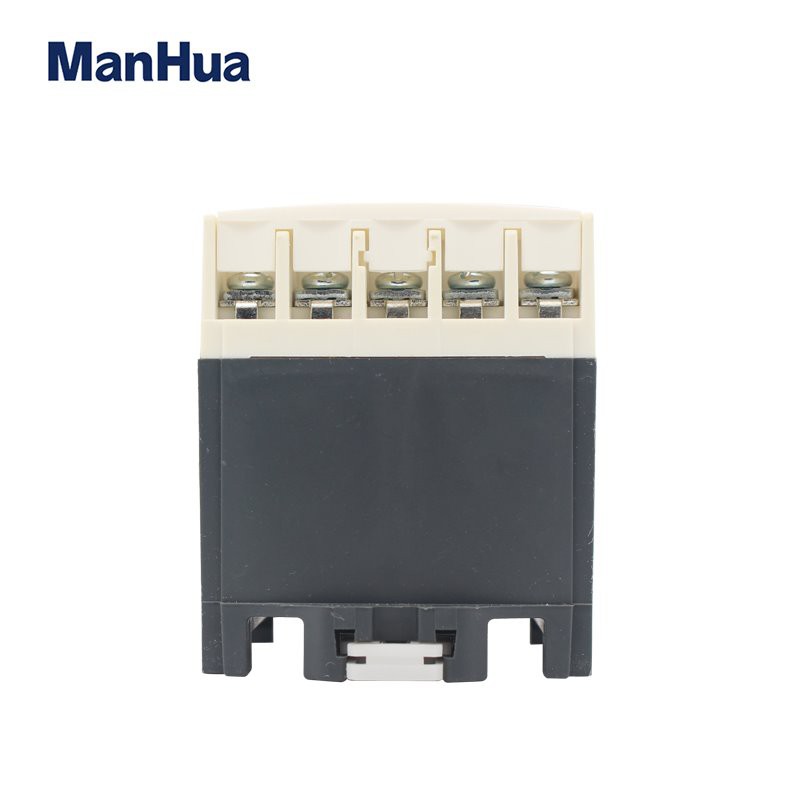

- Relay Test Set: This is the main tool for applying test signals to the relay and measuring its response. There are different types of relay test sets available, ranging from basic handheld units to advanced computer-controlled systems.
- Multimeter: A multimeter is used to measure voltage, current, and resistance. It's handy for checking the accuracy of the test set and verifying the relay's output.
- Wiring Tools: You'll need wire strippers, crimpers, and screwdrivers to connect the test set to the relay and make any necessary wiring changes.
- Documentation: Make sure you have the relay's datasheet and calibration instructions on hand. These documents will provide you with the specific test parameters and procedures for your relay.
Step 1: Prepare the Relay
Before you start calibrating the relay, you need to prepare it for testing. Here's what you need to do:
- Isolate the Relay: Make sure the relay is disconnected from the power source and any other electrical circuits. This will prevent any electrical shock or damage to the relay during the calibration process.
- Inspect the Relay: Check the relay for any visible damage or signs of wear. Look for loose connections, broken wires, or corroded terminals. If you find any issues, repair or replace the relay before proceeding with the calibration.
- Reset the Relay: If the relay has a reset button, press it to reset the relay to its normal operating state. This will ensure that the relay is ready to receive the test signals.
Step 2: Connect the Test Set
Once the relay is prepared, it's time to connect the test set. Here's how to do it:
- Refer to the Datasheet: Consult the relay's datasheet to determine the correct test connections. The datasheet will provide you with a wiring diagram and the recommended test points.
- Connect the Wires: Use the wiring tools to connect the test set to the relay according to the wiring diagram. Make sure the connections are secure and free of any loose wires or short circuits.
- Check the Connections: Double-check all the connections to ensure they are correct. Use a multimeter to verify the continuity of the wires and the voltage levels at the test points.
Step 3: Set the Test Parameters
Now that the test set is connected, you need to set the test parameters. The test parameters will depend on the type of relay and the specific application. Here are some common test parameters:
- Current: Set the test current to the rated current of the relay. This will allow you to test the relay's overcurrent and undercurrent protection functions.
- Voltage: Set the test voltage to the rated voltage of the relay. This will allow you to test the relay's overvoltage and undervoltage protection functions.
- Time Delay: Set the time delay to the desired value. The time delay determines how long the relay will wait before tripping the circuit breaker.
- Frequency: Set the test frequency to the rated frequency of the electrical system. This will ensure that the relay operates correctly under normal operating conditions.
Step 4: Perform the Calibration Tests
Once the test parameters are set, it's time to perform the calibration tests. Here are the common calibration tests for a protection relay:
- Overcurrent Test: Apply a test current that is higher than the rated current of the relay. The relay should trip the circuit breaker within the specified time delay. If the relay doesn't trip, adjust the overcurrent setting until it does.
- Undercurrent Test: Apply a test current that is lower than the rated current of the relay. The relay should not trip the circuit breaker. If the relay trips, adjust the undercurrent setting until it doesn't.
- Overvoltage Test: Apply a test voltage that is higher than the rated voltage of the relay. The relay should trip the circuit breaker within the specified time delay. If the relay doesn't trip, adjust the overvoltage setting until it does.
- Undervoltage Test: Apply a test voltage that is lower than the rated voltage of the relay. The relay should not trip the circuit breaker. If the relay trips, adjust the undervoltage setting until it doesn't.
- Time Delay Test: Apply a test current or voltage that is just above the trip threshold. Measure the time it takes for the relay to trip the circuit breaker. Compare the measured time with the specified time delay. If the measured time is different, adjust the time delay setting until it matches the specified value.
Step 5: Verify the Calibration
After performing the calibration tests, it's important to verify the calibration. Here's how to do it:
- Repeat the Tests: Repeat the calibration tests to ensure that the relay is still operating correctly. Make sure the relay trips within the specified time delay for each test.
- Check the Output: Use a multimeter to check the output of the relay. Make sure the output voltage and current are within the specified range.
- Compare with the Datasheet: Compare the calibration results with the relay's datasheet. Make sure the relay's performance meets the specifications.
Tips and Tricks
Here are some tips and tricks to make the calibration process easier and more accurate:
- Use a High-Quality Test Set: A high-quality test set will provide more accurate and reliable test results. Invest in a good test set that is suitable for your specific application.
- Follow the Manufacturer's Instructions: Always follow the manufacturer's instructions when calibrating the relay. The instructions will provide you with the specific test parameters and procedures for your relay.
- Take Your Time: Calibrating a protection relay is a precise process that requires patience and attention to detail. Take your time and make sure you perform each step correctly.
- Keep Records: Keep a record of the calibration results, including the test parameters, the measured values, and any adjustments made. This will help you track the relay's performance over time and identify any potential issues.
Conclusion
Calibrating a protection relay is an important process that ensures the relay functions correctly and protects your electrical system from various faults. By following the steps outlined in this blog and using the right tools and techniques, you can calibrate your protection relay accurately and efficiently.
If you're in the market for a protection relay or need help with calibration, we're here to assist you. We offer a wide range of Over Voltage Under Voltage Protector, Under Current Protector, and Electromechanical Overcurrent Relay to meet your specific needs. Contact us today to start a procurement discussion and find the best solution for your electrical system.
References
- Electrical Protection Relay Handbook
- Relay Testing and Calibration Manuals