

What is the difference between a basic and an advanced safety switch?
Oct 22, 2025
Hey there! As a safety switch supplier, I often get asked about the difference between basic and advanced safety switches. So, I thought I'd take a few minutes to break it down for you.
Let's start with the basics. A basic safety switch is, well, basic. It's designed to do one thing: cut the power when it detects a fault. This is usually a pretty straightforward process. When there's an imbalance in the electrical current, like when some of the electricity is leaking to the ground, the basic safety switch trips and shuts off the power. It's like a little guardian angel for your electrical system, protecting you from electric shocks and potential fires.
These basic switches are typically used in residential settings, like in your home. They're installed in the main electrical panel and are responsible for protecting the circuits in your house. For example, if you have a short circuit in your living room lights, the basic safety switch will kick in and turn off the power to that circuit. It's a simple yet effective way to keep you and your family safe.

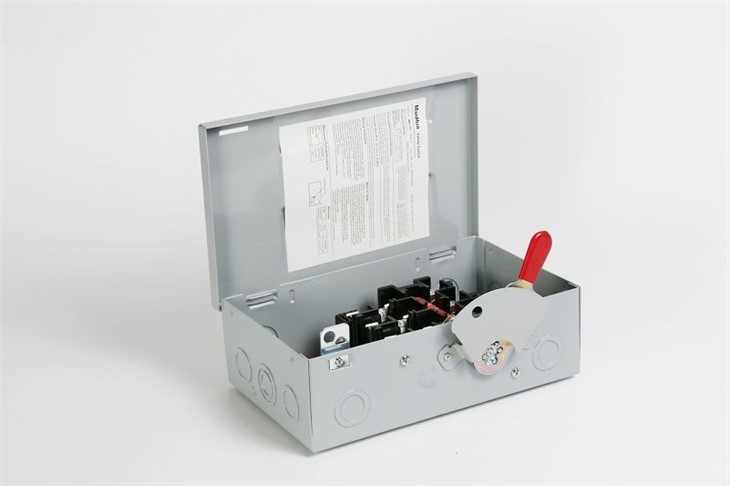
One of the key features of a basic safety switch is its sensitivity. It's set to detect even small imbalances in the current, which means it can react quickly to potential hazards. However, this sensitivity can also be a bit of a double - edged sword. Sometimes, it might trip for no apparent reason, like when there's a small surge in the power supply. But overall, it's a reliable option for most everyday applications.
Now, let's talk about advanced safety switches. These are the next level up from basic switches. They offer a whole bunch of extra features and benefits that make them a great choice for more complex electrical systems.
Advanced safety switches are often used in commercial and industrial settings. Think about a factory or a large office building. These places have much more complex electrical systems with a higher risk of electrical faults. An advanced safety switch can handle these challenges better than a basic one.
One of the main differences between basic and advanced safety switches is the level of protection they offer. Advanced switches can detect a wider range of faults, not just the simple current imbalances that basic switches are designed for. For example, they can detect arc faults. An arc fault is a type of electrical fault that can occur when there's a break in the electrical circuit, causing a spark or an arc. These arcs can be extremely dangerous as they can start fires. Advanced safety switches can detect these arc faults and shut off the power before any damage is done.
Another great feature of advanced safety switches is their ability to communicate. Many advanced switches are equipped with smart technology that allows them to send alerts when a fault is detected. This means that the maintenance team can be notified immediately, reducing the downtime and potential damage to the electrical system. For example, if there's a fault in a production line in a factory, the advanced safety switch can send an alert to the supervisor's phone, so they can take action right away.
Advanced safety switches also often have a higher level of durability. They're built to withstand the harsh conditions of industrial environments, like high temperatures, vibrations, and dust. This means that they'll last longer and require less maintenance compared to basic switches.
In terms of installation, basic safety switches are relatively easy to install. You can usually do it yourself if you have a basic understanding of electrical systems. However, advanced safety switches are more complex and often require professional installation. This is because they need to be integrated with the existing electrical system and configured correctly to work properly.
Let's take a look at an example of an advanced safety switch. The 30A Safety Switch is a great option for those who need a high - capacity safety switch. It's designed to handle large electrical loads and offers advanced protection features. Whether you're running a small business or a large industrial operation, this switch can provide the peace of mind you need.
So, which one should you choose? Well, it really depends on your needs. If you're just looking for a simple solution to protect your home electrical system, a basic safety switch will probably be sufficient. It's affordable, easy to install, and will do the job of protecting you from the most common electrical hazards.
On the other hand, if you're dealing with a more complex electrical system, like in a commercial or industrial setting, an advanced safety switch is the way to go. It offers a higher level of protection, more features, and better durability.
If you're still not sure which type of safety switch is right for you, don't hesitate to reach out. As a safety switch supplier, I've got the expertise to help you make the right choice. Whether you need a basic switch for your home or an advanced one for your business, I can provide you with the best products and advice.
In conclusion, the difference between basic and advanced safety switches is significant. Basic switches are simple, affordable, and great for residential use. Advanced switches, on the other hand, offer more features, higher protection levels, and are designed for commercial and industrial applications.
If you're interested in purchasing a safety switch, or if you have any questions about which one is right for you, feel free to contact me. I'm here to help you find the perfect safety switch solution for your needs.
References
- Electrical Safety Standards Handbook
- Industrial Electrical Systems Guide